Condition ratings: a judgement, not a colour
The rating is the part of the report the client reads first and the expert reads last. Here is how to make the two agree.
- Chapter
- 03 — Back at the desk
- Entry
- 03.02
- Updated
- 12 October 2026
- Reading time
- 7 min
- Sections
- 06
- Status
- Published · checked at date shown
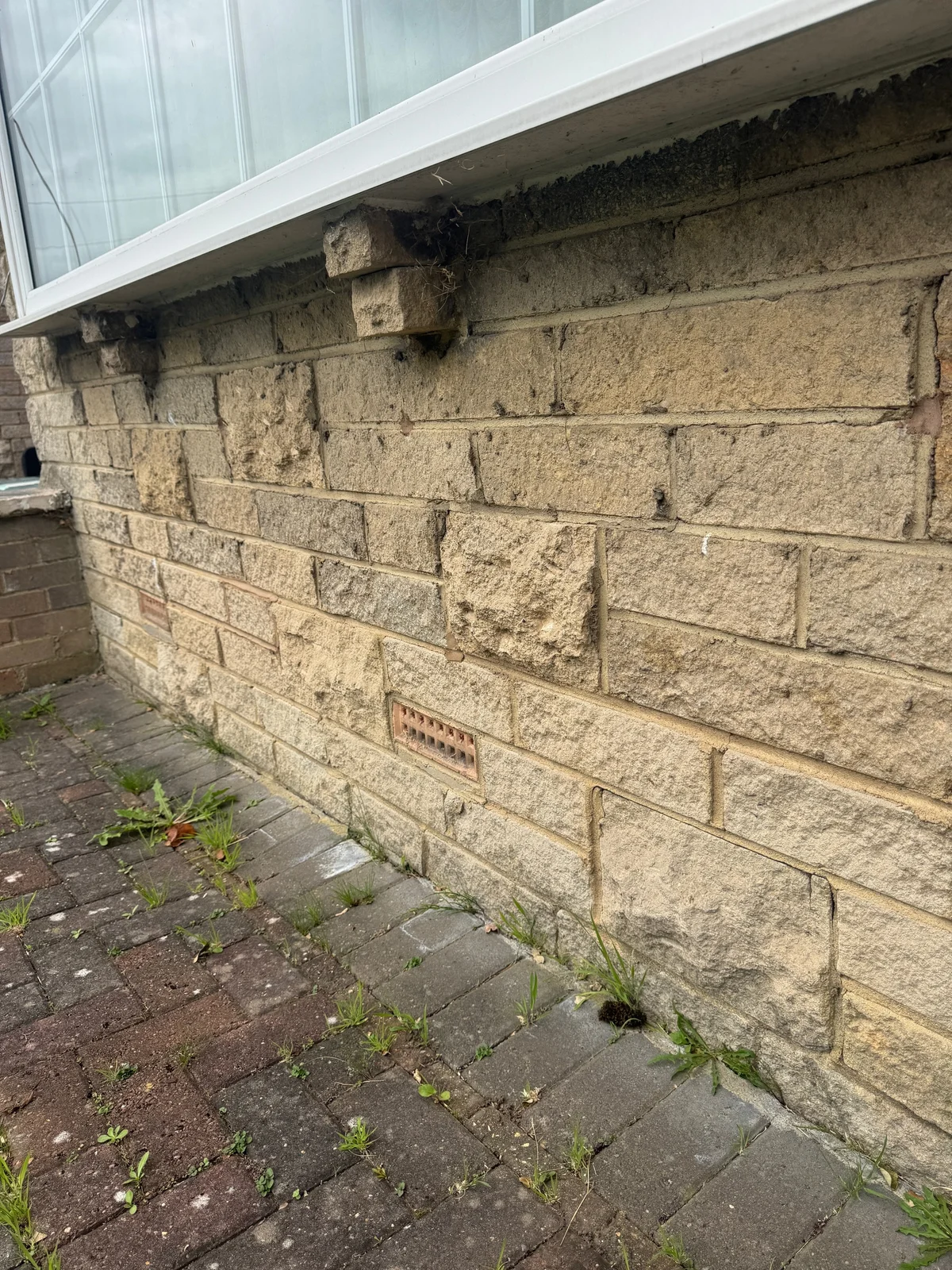 On site · 01
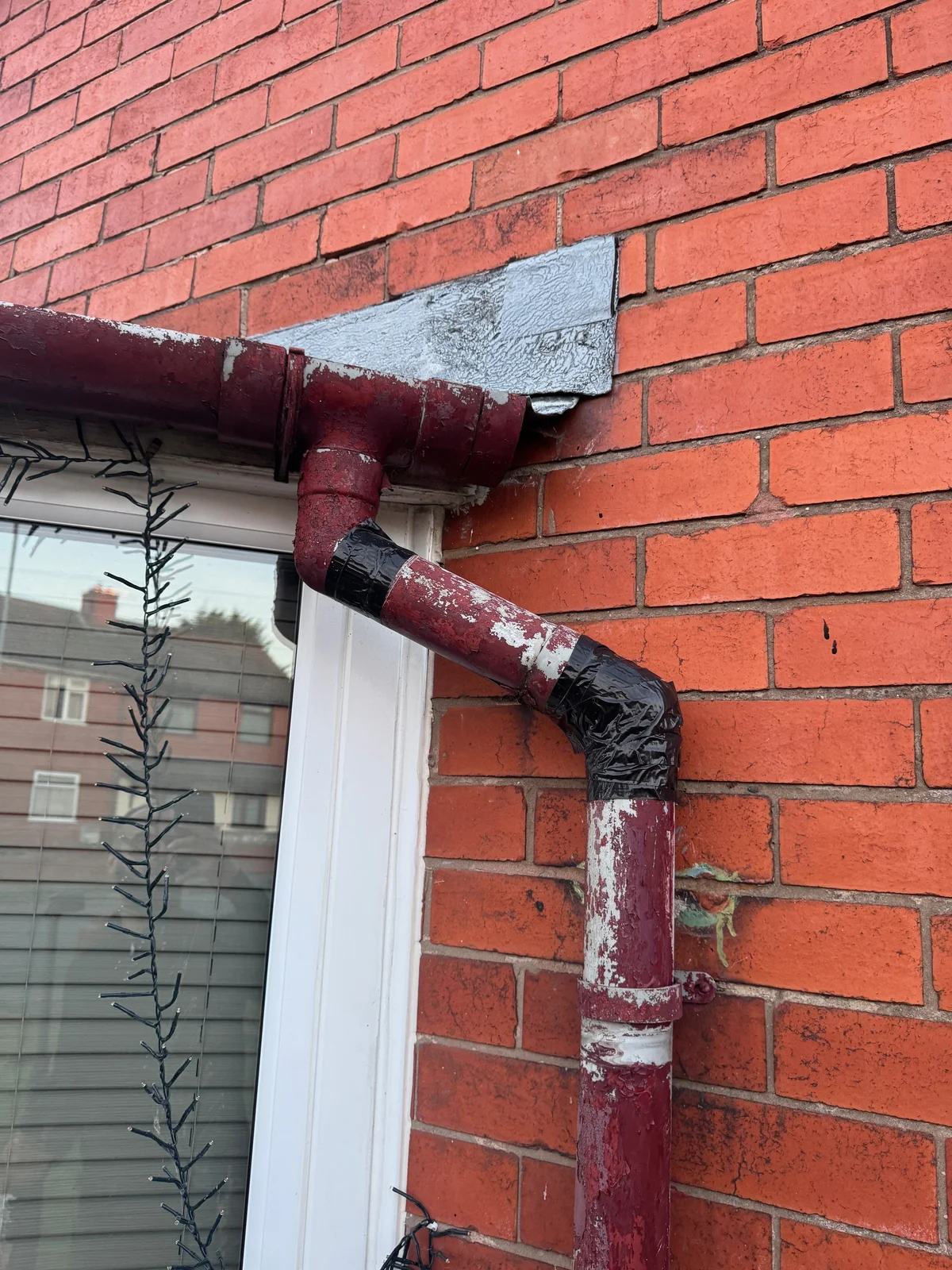 On site · 02
Ask what gets challenged in a home survey and the answer is rarely the observation. It is the rating — and more precisely, the distance between the rating and the words next to it. A 2 beside a paragraph that reads like a 3, or a 3 with nothing underneath it to explain the urgency, is the easiest thing in a report for an expert to pick apart. The defence is not a different number. It is reasoning that is visible on the page.
What the standard says
The RICS Home Survey Standard (2019, in force from March 2021) defines the ratings used at Level 2, and the same definitions are used by most practices at Level 3, where ratings are optional but near-universal.
- Condition rating 1 — No repair is currently needed. The property must be maintained in the normal way.
- Condition rating 2 — Defects that need repairing or replacing but are not considered to be either serious or urgent. The property must be maintained in the normal way.
- Condition rating 3 — Defects that are serious and/or need to be repaired, replaced or investigated urgently.
- NI — Not inspected. The element could not be inspected, and the report must say why.
Two words carry all the weight: serious and urgent. The standard joins them with “and/or”, so an element earns a 3 by meeting either test. Serious is about consequence — risk to the structure, to health or safety, or to other elements if left. Urgent is about time — it needs attention before exchange, or within a period short enough that the buyer should price it now rather than budget for it later. A 2 is a defect that fails both tests: it will need doing, and the client should know, but neither the building nor the buyer is at risk if it waits for the normal cycle of maintenance.
Rating 3 at Level 2 also carries a specific obligation: the standard expects a 3 to be accompanied by advice the client can act on. “Further investigation” is allowed, but it is meant to be the exception, and the report has to say what the investigation is for and why the surveyor could not reach a view on the day.
Where the 2/3 boundary actually sits
The boundary is not a crack width or a reading. It is the answer to two questions the surveyor should ask of every defect:
- If this is left for a year, what happens? Nothing much — a 2. Water gets in, timber decays, the problem spreads to another element, or someone could be hurt — a 3.
- Does the client need to know the cost before they exchange? If the honest answer is yes, it is a 3 regardless of how small the repair itself is.
Worked against real elements, this is less abstract than it sounds. A cracked ridge tile on an otherwise sound roof is a 2: it needs doing, nothing dramatic follows if it waits a season. A slipped slate above a bedroom ceiling that is already stained is a 3, not because the slate is more expensive but because water is entering and the consequence is active. A dated consumer unit with no visible defect is a 2 with a recommendation for an electrical installation condition report; the same unit with signs of overheating is a 3. Stepped cracking of 2 mm with no distortion, in a sixty-year-old house with no history, is often a 2 with monitoring advice; the same crack, fresh-edged and tapering, with a drain running beneath it, is a 3 for investigation before exchange.
The common mistakes run in both directions. Over-rating — a 3 for every defect so nobody can say you missed it — makes the report useless to the client and, when it is challenged, makes the surveyor look unable to discriminate. Under-rating — a 2 because a 3 feels like it will kill the sale — is the one that ends up in a claim.
Why the reasoning matters more than the number
A rating is an opinion. Opinions are defensible when a reader can follow how they were reached and can see what evidence they rest on. The structure that does this has four parts, and the best Level 2 reports keep them visibly separate:
- The observation — what was seen, where, how big, in neutral language. “Stepped cracking through the bed joints of the front elevation, left of the bay window, about 3 mm at its widest at first-floor level and tapering towards the ground.”
- The reasoning — what that pattern is consistent with, and what it is not. “The pattern — wider at the top and tapering downwards — is typical of differential movement of the bay rather than of the main house. There is no corresponding internal cracking and no distortion to the bay window openings.”
- The rating, stated with its justification — “Condition rating 2. The movement appears long-standing and there is no evidence that it is progressive; it needs repointing and monitoring rather than urgent investigation.”
- The action, in words that mean the same thing every time — “Have the cracking repointed as part of normal maintenance and have the width recorded at the same points annually. If it widens or new cracking appears, obtain a structural engineer’s report.”
The test of whether this has been done well is simple: cover the rating with your thumb and read the paragraph. If a competent surveyor could not predict the number from the words, the words are not doing their job.
Keeping ratings consistent across a firm
Two surveyors in the same practice giving the same defect a 2 and a 3 in the same month is not a competence problem. It is a wording problem, and it is fixable.
- Agree the boundary cases in writing. Dated wiring, single-glazed softwood windows in fair order, flat roofs past their likely life but not leaking, absent cavity trays, Artex, chimney breast removals without visible support — every practice has twenty elements that generate most of the disagreement. Decide them once, write the reasoning down, and review the list yearly.
- Fix the action vocabulary. “Before exchange”, “within the first year of ownership” and “as part of normal maintenance” should mean exactly those things on every report the firm issues. Phrases such as “should be attended to” have no fixed meaning and should not appear.
- Read five reports side by side. Take five reports from the last year that rate the same element the same way. If the paragraphs say materially the same thing in materially the same way, the practice is consistent. If they do not, the difference is the evening they were written on, not the buildings.
- Separate the rating from the mood of the job. A difficult purchaser, a vendor in the room, an agent on the phone — none of these change the condition of a roof. The structure above is the defence against letting them change the rating.
Recording it in the report
Weak: “Roof covering — Condition rating 3. The roof is in poor condition and requires attention.”
Holding: “F1 Roof coverings — Condition rating 3. The rear slope is covered in natural slate, with about fifteen slipped or missing slates visible from ground level and from the rear garden, concentrated around the chimney and the valley. The ceiling of the rear bedroom below the valley is stained and read elevated for moisture on the day. Water is entering. Have a roofing contractor overhaul the rear slope — refix or replace the slipped slates, renew the valley lining and check the chimney flashings — before exchange, and obtain a cost for budgeting. The front slope was in fair condition for its age; see rating 2 below.”
The second version can be checked against the photographs, against the moisture readings, and against the building. That is what a rating is for.
References
- RICS, Home Survey Standard, 1st edition, 2019 (effective 1 March 2021).
- RICS, Description of the RICS Home Survey — Level 2 (survey only) and Level 3, current editions.
- RICS, Surveying safely, 2nd edition, 2018 — on recording what was and was not inspected.