Cameras and the 360° record: what a photograph proves and what it does not
The photographs outlive the surveyor's memory. Here is how to take ones that settle an argument, and why a 360° record is a different job from the inspection photographs.
- Chapter
- 01 — What you carry
- Entry
- 01.06
- Updated
- 12 October 2026
- Reading time
- 8 min
- Sections
- 06
- Status
- Published · checked at date shown
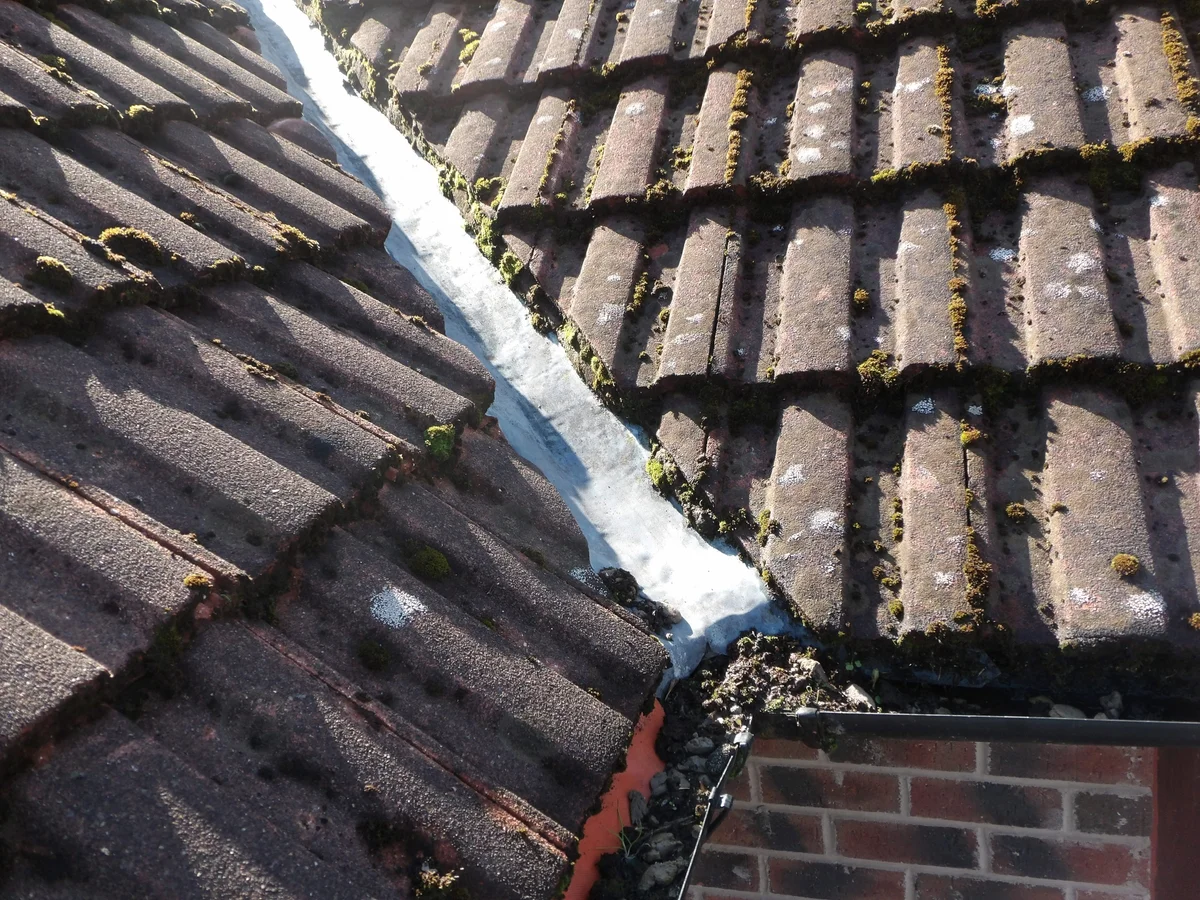 On site · 01
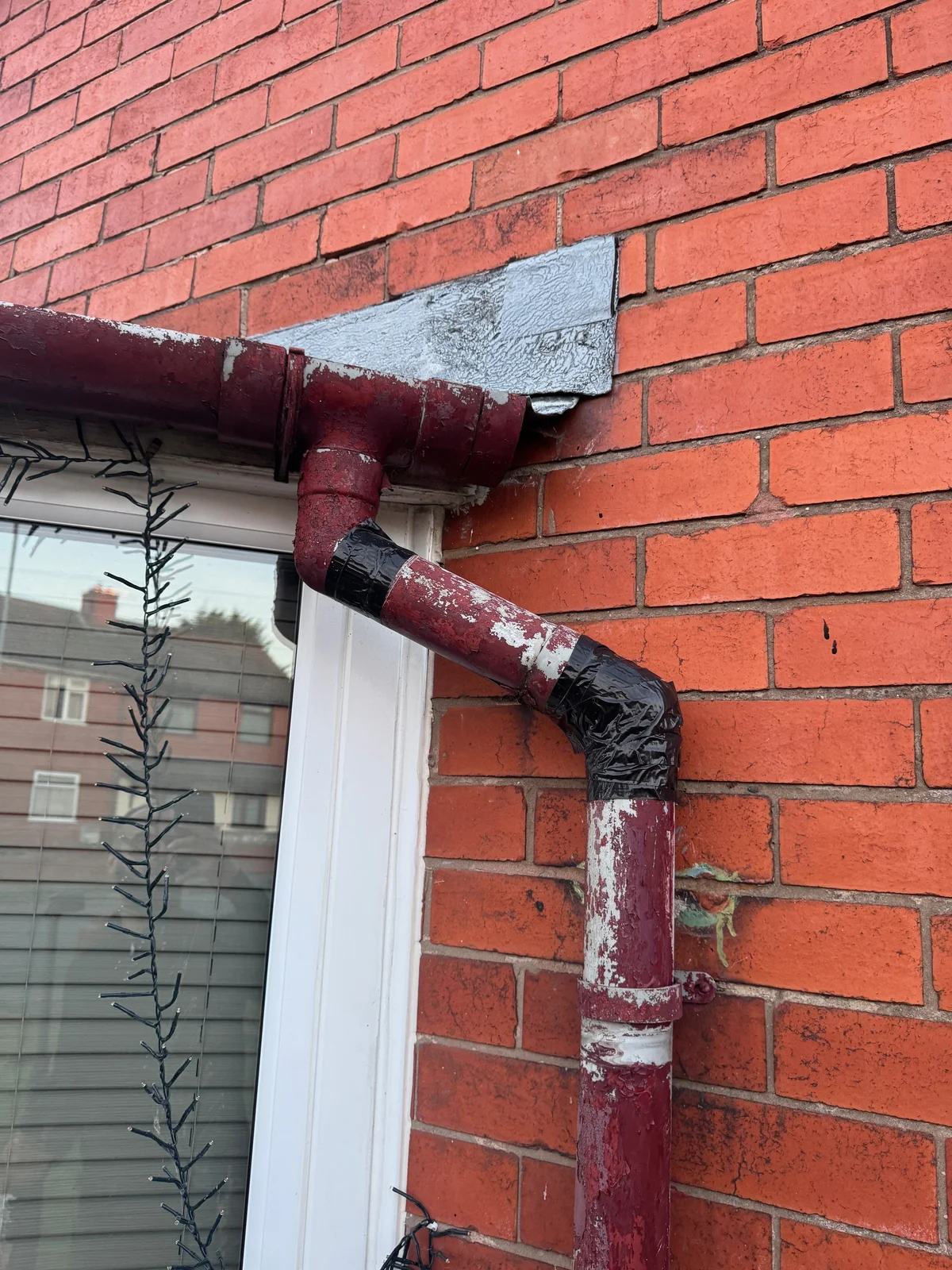 On site · 02
The photographs are the part of the inspection that outlives the surveyor’s memory. Two years after the visit, when the buyer says the crack was never mentioned or the vendor says it was never there, the site notes are an argument and the photographs are evidence. Most surveyors carry an adequate camera in their pocket and still produce photographs that settle nothing: no establishing shot, nothing for scale, a flash-blown roof space, a meter display with no wall in view. This guide covers the phone, and the separate case for a 360° camera that records whole rooms as they stood on the day.
What a photograph records
A photograph records the light reflected from a surface at one instant, through a lens whose field of view and exposure were chosen by the camera, not by you. It does not record moisture, movement, temperature or anything behind a finish. The same crack can be made to look like a hairline or a structural failure by changing distance, angle and light, which is why an undated, unscaled photograph is so easy to dispute.
Three things distort it:
- Perspective and zoom. A wide lens close to a wall makes a bow look worse and a lean look better. Digital zoom beyond about 2× on a phone throws pixels away and invents detail by interpolation. Two steps closer is the correction.
- Exposure processing. HDR merges several exposures and can flatten the shadow that makes a crack visible, or exaggerate staining. Flash in a roof space flattens everything and bounces off dust. A headtorch, held off-axis, shows texture.
- Compression. JPEG and HEIC compression smooth fine texture. A crack under about a millimetre can vanish between the sensor and the file, especially in a 360° still where each wall gets a small share of the frame.
A current phone with 12 MP or more and HDR is adequate for element photographs. The sensor is not the limiting factor. The discipline is.
Where it misleads
No scale. A crack photographed in isolation has no width. The reader guesses, and the guess favours whoever is arguing. A crack gauge card, a tape or a coin in the frame removes the guess.
No location. A detail shot that could be any wall in any house proves nothing about this one. The sequence establishing, mid, detail ties the defect to an elevation and a room.
The meter display. A photograph of a moisture meter reading 28 shows that a meter once displayed 28, not which wall, at what height, on what material. Photograph the instrument in position with the surroundings visible; the number goes in the notes.
Dark images. Roof spaces, cellars and sub-floor voids produce near-black frames. A dark image proves nothing and is worse than no image, because it implies an inspection that may not have been possible. Light it, or record why you could not.
Stripped metadata. Messaging apps strip EXIF data. Keep the originals with date and GPS intact and share copies.
The 360° still as a substitute. A 360° image spreads perhaps 60 megapixels over a whole sphere. A crack under about 1 mm will not show; stitch lines fall where the lenses overlap and can hide or double a feature; there is no GPS indoors; a dark roof space produces noise, not evidence. It records what the room looked like, not its condition.
Using it so the result holds
Phone settings, once. Grid on. HDR on. EXIF date and location kept on. No digital zoom beyond 2×. On an iPhone, set the camera format to “Most Compatible” so it saves JPEG rather than HEIC if you share with anyone who cannot open HEIC.
Sequence, every time. Establishing shot of the elevation or room; mid shot locating the feature; detail shot; scale reference in the detail. For every instrument reading, photograph its position, not its display. Expect 60–150 photographs on a Level 2; fewer usually means the limitations were not photographed.
Roof spaces and voids. Headtorch, not flash, held off the lens axis so the surface has shadow and texture. If you cannot light it, photograph the hatch, the insulation depth and the stored goods, and record why you went no further. That is the record most often needed.
The 360° record. Treat it as a separate task from the inspection photographs. Slim monopod or tripod at about 1.4 m in the centre of the room; shoot stills, not video; use the app timer and step out of shot; 60–90 seconds a room is enough. Include the roof space, cellar and garage, where “it wasn’t like that” arguments start. Name each file by room before you leave; a folder of timestamps is not a record.
Consent and privacy. A 360° still captures everything in the room: the occupier’s belongings, documents, screens, and sometimes the occupier. Tell the occupier before you shoot; avoid faces; do not shoot into a screen; apply a stated retention period, because this is personal data under the UK GDPR as soon as a person or their documents are in frame. Where the occupier objects, record that no 360° images were taken of that room and why.
Storage. Back up the same day, to two places. High-resolution 360° stills run 20–40 MB per room. Keep everything with the job file for at least 6 years, the limitation period in contract, and ideally 15, the long-stop under section 14B of the Limitation Act 1980 for latent damage.
Scope. None of this extends the inspection. Photographs record what a visual, non-invasive Level 2 or Level 3 inspection under the RICS Home Survey Standard could see from where you stood. Lifting carpets, moving stored goods and opening up remain beyond standard scope and need an agreed instruction and the owner’s written consent.
What to buy
For element photographs, the phone you already carry. The table is for the 360° camera, a separate purchase with a single justification: a whole-property record frozen at the inspection date.
| Model | What it is | Indicative UK price (inc VAT, Oct 2026) | Verdict |
|---|---|---|---|
| Ricoh Theta X | Stills-first 360° camera; roughly 60 MP stills, touchscreen, swappable battery and microSD, Matterport-compatible | About £705–£749 | The one to buy if the camera exists only for the record |
| Ricoh Theta Z1 | 1-inch sensors; the best low-light stills; about 23 MP | About £900+ | Only if dark rooms matter more than resolution |
| Insta360 X5 | Video-first consumer 360° camera; 8K video, 72 MP stills, user-replaceable lenses, best app | £519.99 (Insta360 UK store, Standard bundle) | Buy if you also want video walkthroughs |
| Insta360 X4 | Previous generation of the X5 | About £400–£480 street | Still excellent; the budget route |
Prices move. Check the live price before ordering.
For most residential work: the Ricoh Theta X. It is built around the still image, which is what a record needs. The touchscreen means you can set up without the app, the swappable battery and card mean a long day does not end at lunchtime, and it shoots fast, which matters across fifteen rooms at 60–90 seconds each. If the camera will be used for nothing except the condition record, this is the one.
What the extra money buys. The Theta Z1 buys larger sensors and the best low-light stills of the group at the cost of resolution; it earns its price only if your work is dominated by unlit basements and roof spaces. The Insta360 X5 buys 8K video, replaceable lenses and a better app; if you also want video walkthroughs it is the better all-rounder, and it is cheaper than the Theta X.
Not worth paying for. Video resolution if you will only shoot stills. Accessory bundles; one slim monopod is the whole rig. A second camera for backup; back up the files instead.
Recording it in the report
Keep four things separate: that photographs were taken and are retained; what a given photograph shows; what you infer from it; and what should happen next. The caption is the observation. The inference belongs in the element text.
Say plainly that a 360° photographic record of the accessible rooms was taken on the date of inspection and is retained on file. Say also what it is not: not the inspection, not a measured survey, and not evidence of the condition of anything it cannot resolve.
Weak: “Photographs taken. See attached.”
Holds: “Photograph 14: front elevation, left of bay, stepped cracking through bed joints, about 3 mm at the widest point against the gauge card; located in photographs 12 and 13. A 360° photographic record of each accessible room, the roof space and the garage was taken on 12 October 2026 and is retained with the job file; it is a visual record at the inspection date and does not form part of the inspection.”
References
- RICS Home Survey Standard, RICS, 2019 (effective March 2021).
- Limitation Act 1980, section 14B (long-stop limitation period for latent damage).
- UK General Data Protection Regulation and Data Protection Act 2018.
Where to buy
Suppliers
Manufacturer or primary UK stockist. Check the live price and the current specification before buying.
- 01Ricoh – Theta X ↗Stills-first 360° camera, roughly 60 MP stills, touchscreen, swappable battery and microSD. About £705–£749 inc VAT, October 2026.
- 02Insta360 – X5 ↗Video-first 360° camera, 8K video and 72 MP stills, replaceable lenses. £519.99 inc VAT (Standard bundle, Insta360 UK store), October 2026.